
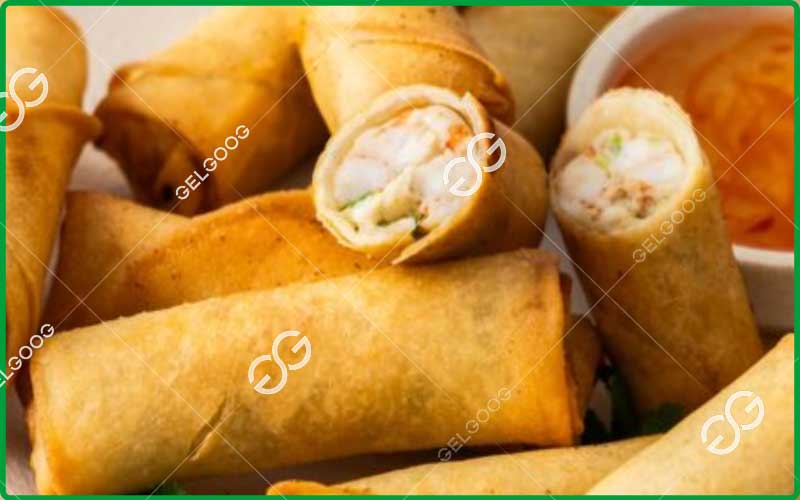
Spring Roll vs. Vietnamese Spring Roll: Key Differences and Industrial Production
Spring Roll vs. Vietnamese Spring Roll: the Differences for Industrial
- The two often confused foods, spring rolls and Vietnamese spring rolls, each have unique characteristics, with differences in ingredient handling, filling ratios, and packaging.
- For factories and companies investing in large-scale food production lines, understanding these differences can ensure efficient operations and consistent quality.
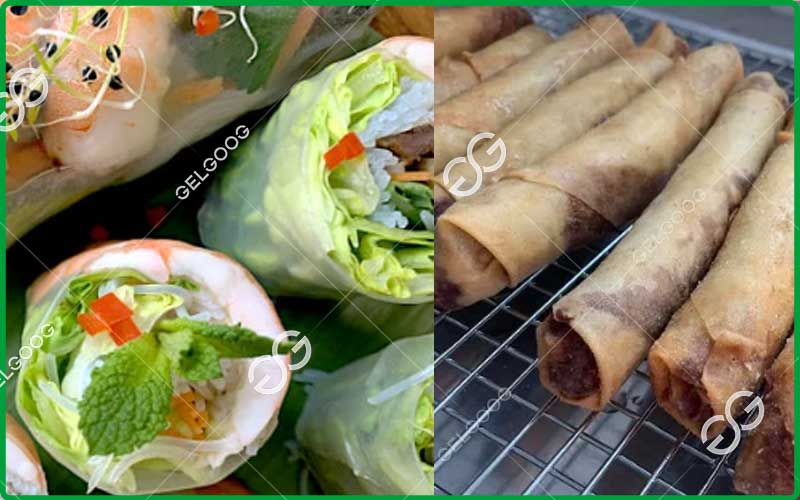
What Are Spring Rolls?
- Originating from Chinese cuisine, spring rolls are a savory snack wrapped in a thin, crispy wheat flour wrapper.
- Traditionally, spring rolls are filled with vegetables, meat, or seafood and deep-fried to give them a golden, crispy texture.
- Industrial production of spring rolls requires machines that can:
- Mix and roll the elastic wheat dough.
- Precise filling and injection systems to ensure uniform filling.
- Large-capacity deep fryers with temperature control to ensure uniform cooking.
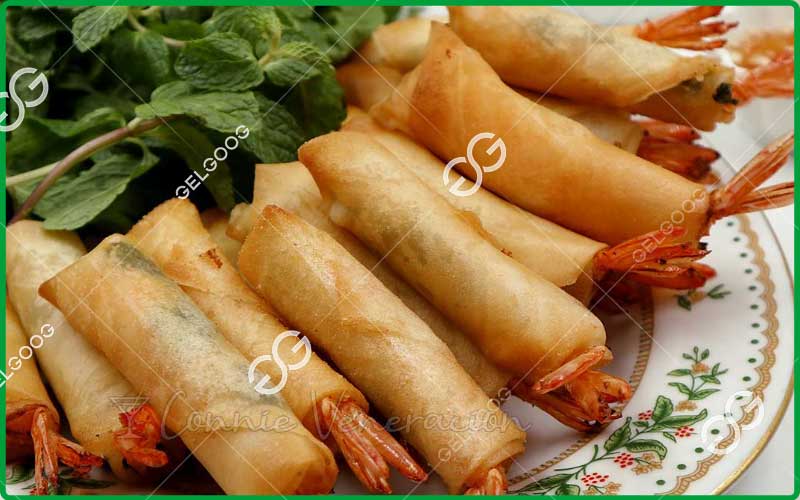
What Are Vietnamese Spring Rolls?
- Vietnamese spring rolls (gỏi cuốn) are fresh, non-fried rolls wrapped in translucent rice paper.
- Typically filled with herbs, rice noodles, shrimp and pork, they can be eaten cold or at room temperature.
- Industrial production of Vietnamese spring rolls requires:
- Automated rice paper water absorption system to keep the rice paper flexible and not tear.
- Cold filling lines to preserve fresh ingredients.
- Packaging solutions to prevent moisture loss and sticking.
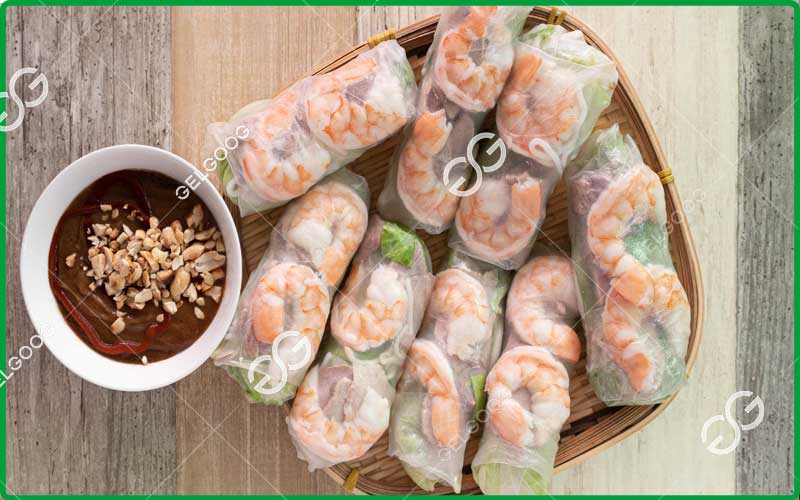
Key Differences Impacting Industrial Production
Forming method
- Spring rolls: use wheat-based packaging materials, require the use of a toaster, and adopt a process suitable for frying.
- Vietnamese spring rolls: use fragile rice paper, requiring precise humidity control during processing.
Cooking method
- Spring rolls are fried, so oil filtration systems and frying conveyors are required.
- Vietnamese spring rolls are raw or lightly steamed, requiring cold chain assembly and sterilization procedures.
Packaging requirements
- Fried spring rolls require oil-proof, breathable packaging to maintain crispness.
- Vietnamese spring rolls require sealed, moisture-controlled packaging to prevent the rice paper from hardening.
Why Industrial Producers Should Care
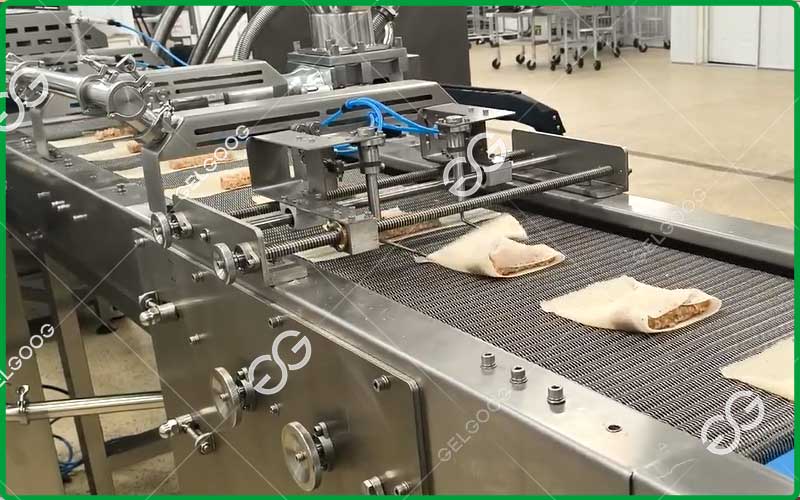
- Cost-Effectiveness: Customized machines reduce downtime when switching between different spring roll types.
- Quality Control: Automated systems ensure consistent wrap thickness and filling distribution.
- Scalability: High-speed lines (e.g., 10,000+ pieces per hour) can meet global demand without compromising taste and freshness.
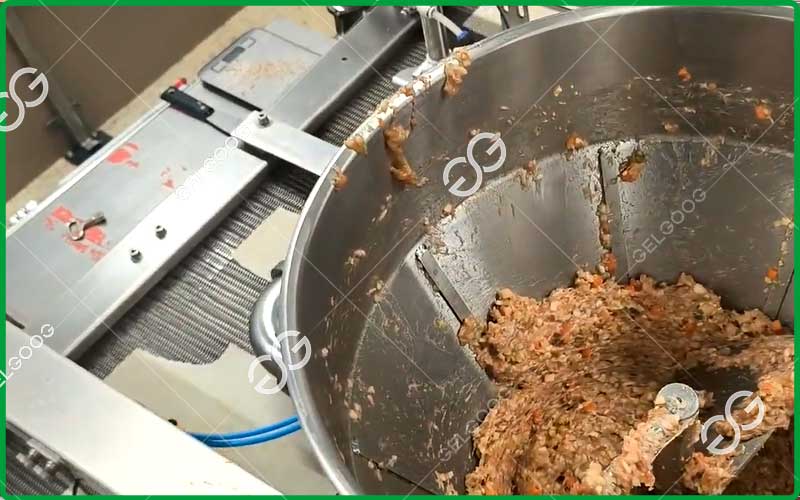
The difference between traditional spring rolls and Vietnamese spring rolls is not only in cooking process, but also in technology. From the wrapper to the cooking technique, each spring roll requires specialized equipment to achieve large-scale production.
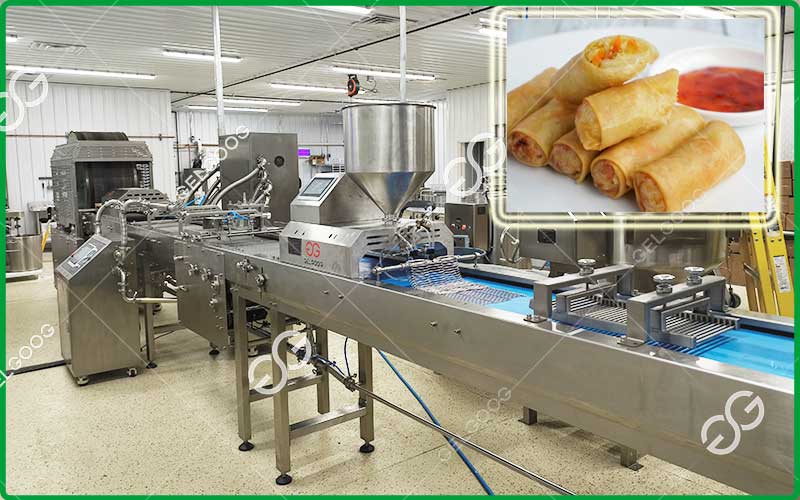
Our automatic spring roll production line can adapt to large-scale production and can adapt to the production of various types of products. If you are interested, please contact me.
Leave a Reply