
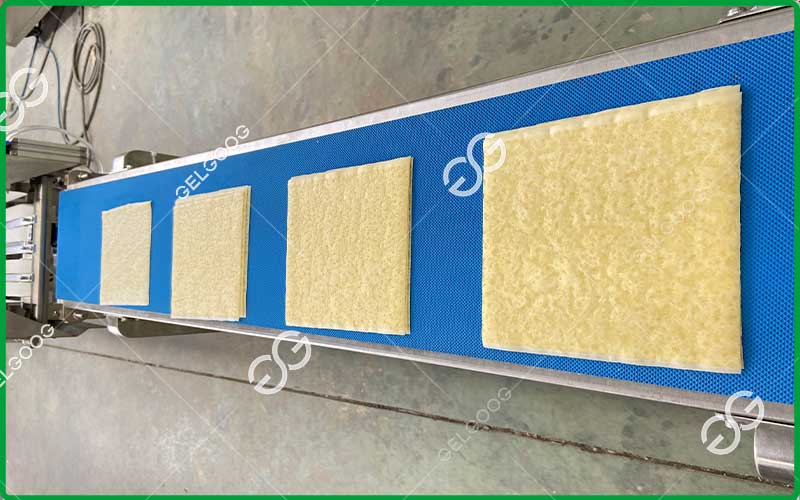
Industrial Blini Production: Process & Equipment Guide
Blini is a traditional Russian pancake popular in foodservice, retail, catering, and frozen food markets. Rising demand makes manual preparation difficult for consistent size, thickness, color, and speed. Industrial production integrates batter prep, dosing, baking, cooling, and packaging into a controlled workflow.
For food factories and central kitchens, the right system boosts productivity while preserving traditional blini characteristics.
What Is Industrial Blini Production?
Industrial blini production uses automated or semi-automated equipment for large-scale, consistent manufacturing.
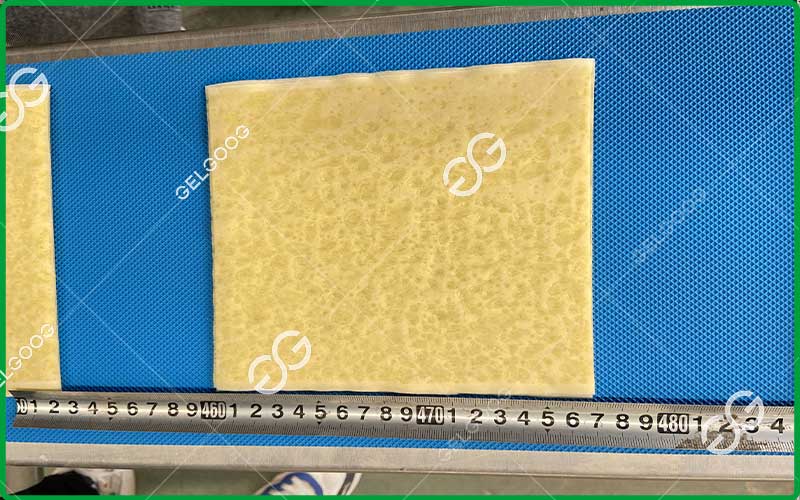
Unlike manual cooking, it controls batter quantity, temperature, time, thickness, and transfer speed for stable batch-to-batch results.
Manufacturers can produce plain blini or filled versions with meat, cheese, vegetables, fruit, or sweet fillings. Blini can also be part of a frozen ready-to-cook range.
How Does the Blini Production Process Work?
A typical blini production process includes several key stages.
1. Batter Preparation
Mix flour, liquid, eggs, and other ingredients per recipe. Consistent viscosity is key for spreading, thickness, texture, and cooking performance.
2. Accurate Batter Dosing
Batter moves to a controlled dosing system. Precise dosing ensures consistent weight and diameter, reducing variations between blini.
3. Continuous Baking
Dosed batter bakes on a heated surface under controlled temperature. Industrial heating systems allow adjustment per recipe and desired texture.
4. Cooling and Handling
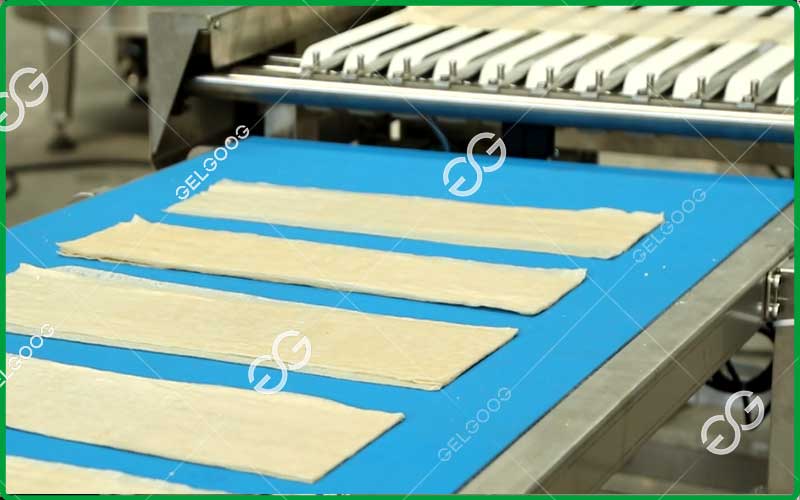
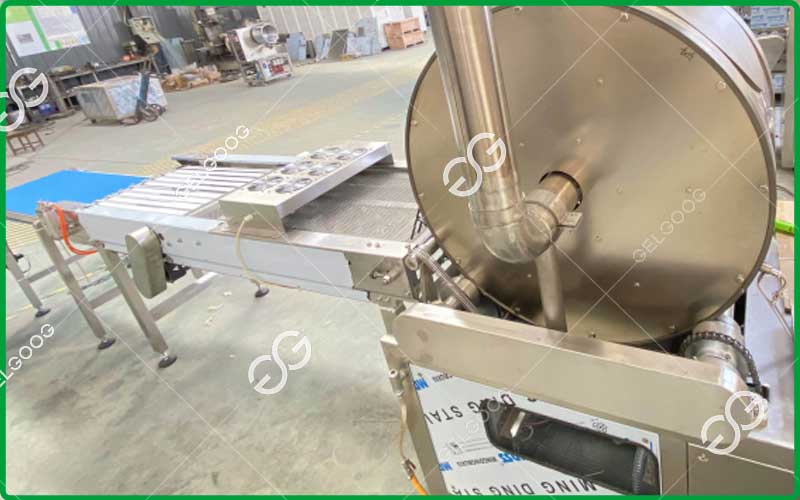
Products move through a conveyor and cooling stage. Gentle transfer reduces tearing and deformation, especially for thin blini.
5. Filling and Packaging
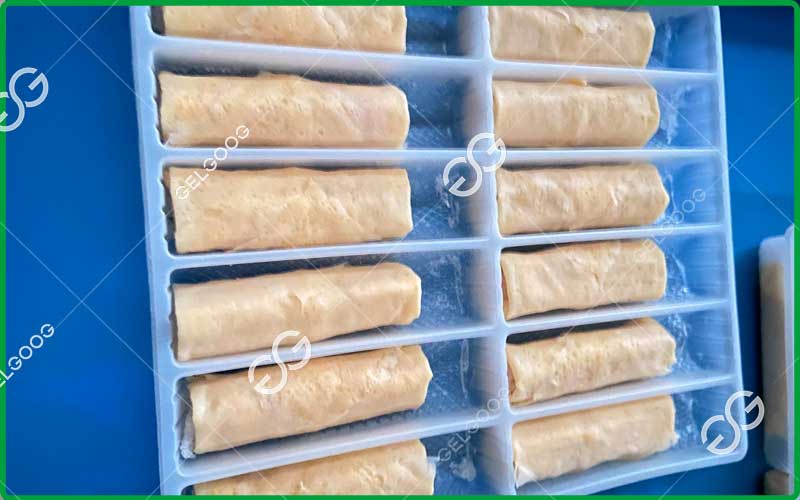
Cooled blini enter filling, folding, or rolling for filled products. Finished products are packaged for chilled, frozen, or foodservice use.
For manufacturers automating the core baking stage, this equipment integrates into a broader processing workflow.
Why Invest in Commercial Blini Manufacturing Equipment?
The main reason manufacturers choose automation is not simply higher output. It is the combination of consistency, labor efficiency, process control, and scalability.
- Consistent Product Quality:Automated dosing and temperature control ensure uniform diameter, thickness, color, and texture. Essential for retail products with consistent package specifications.
- Higher Production Efficiency:Commercial equipment enables continuous processing, reducing manual interruptions. Industrial models can reach thousands of pieces per hour depending on configuration.
- Reduced Labor Requirements:Automation reduces repetitive tasks like pouring, cooking, and handling. Operators focus on recipe management, inspection, packaging, and maintenance.
- Flexible Product Development:Adjustable temperature, dosing, and forming settings support multiple products from one platform. Facilitates recipe and specification changes.
How to Choose Blini Processing Equipment
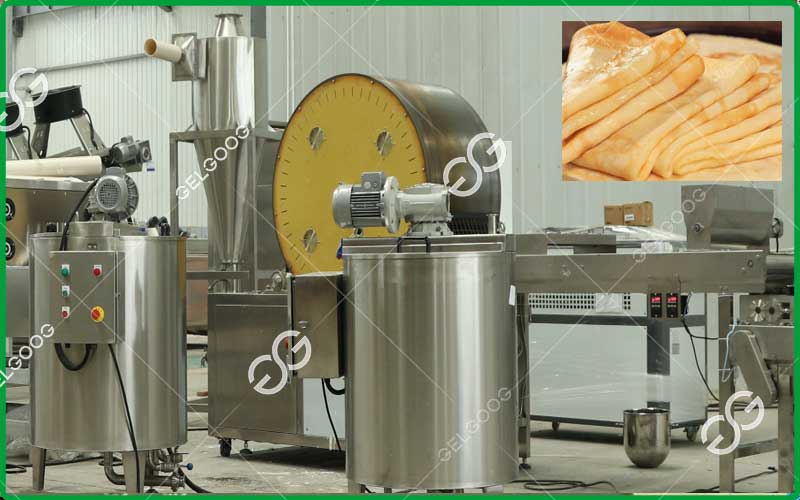
Before purchasing blini processing equipment, manufacturers should evaluate several factors:
- Target capacity: Calculate hourly and daily production requirements rather than choosing equipment only by maximum output.
- Product size: Confirm the required diameter and thickness for your market.
- Recipe characteristics: Batter viscosity, ingredients, and moisture can affect machine performance.
- Heating method: Consider available electricity, gas supply, energy costs, and factory conditions.
- Downstream processing: Decide whether cooling, filling, folding, freezing, or packaging will be connected to the production system.
- Factory layout: Check equipment dimensions, material flow, operator access, and cleaning space.
For example, available models for industrial applications can range from approximately 1,000 to 7,000 pieces per hour, while product thickness and machine configuration can vary by model.
Blini Production for Frozen Food Businesses
Frozen blini offer another commercial opportunity because they can be prepared in advance and distributed through supermarkets, wholesalers, restaurants, and foodservice channels.
A typical frozen product workflow includes baking, cooling, optional filling, forming, quick freezing, and packaging. Automation helps maintain consistent product dimensions before freezing, which improves packaging efficiency and presentation.
FAQ About Industrial Blini Production
-
What is the best equipment for high-volume blini production?
- The best solution depends on the required capacity, product size, recipe, heating method, and downstream processes. Manufacturers should select equipment based on the complete production workflow rather than output alone.
-
Can industrial equipment produce different blini sizes?
- Yes. Production configurations can be adapted for different product dimensions, depending on the machine model and forming system.
-
Can blini be used for frozen food production?
- Yes. Blini can be cooled, filled or folded when required, and then transferred to freezing and packaging equipment for frozen-food distribution.
Conclusion
A well-designed industrial blini production system helps food manufacturers move from labor-intensive preparation toward stable, scalable manufacturing. By controlling batter dosing, baking temperature, product handling, and downstream processing, factories can improve consistency while preparing for larger orders and broader product ranges.
For companies evaluating commercial blini manufacturing, the key is to match equipment capacity and configuration with the actual recipe, product specifications, factory layout, and future production goals.
Leave a Reply