
Key Factors Affecting Thin Pastry Sheet Quality in Food Manufacturing
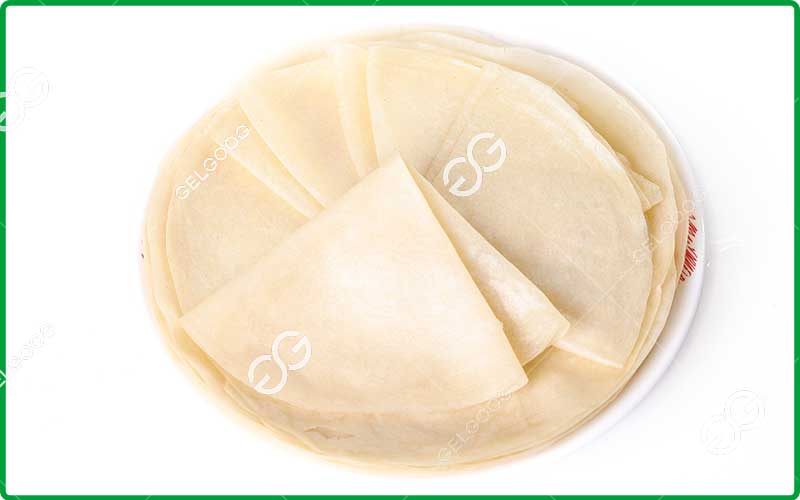
Thin pastry sheets are widely used in Asian snacks, frozen foods, and ready-to-cook products. For commercial food manufacturers, maintaining consistent thickness, flexibility, color, and dimensions is essential for product quality and efficient production.
However, several factors can affect the final result, from ingredient selection to heating and cooling. Understanding these factors helps manufacturers reduce waste, improve consistency, and establish more reliable production processes.
1. Raw Material Selection
Raw materials directly influence the strength, flexibility, and texture of thin pastry sheets. Flour type, starch composition, and water content can change how the mixture behaves during processing.
Manufacturers should use ingredients with consistent specifications and maintain standardized formulations. Changes in flour quality or ingredient ratios may affect sheet strength and increase the risk of tearing during filling and folding.
Before changing suppliers or recipes, food processors should evaluate the effects on the finished product.
2. Batter Consistency and Mixing
Batter consistency is an important factor in thin pastry sheet production. A mixture that is too thick may spread unevenly, while overly thin batter can produce weak areas and inconsistent sheets.
Insufficient mixing may also cause lumps or uneven ingredient distribution.
To improve consistency, manufacturers should:
-
Measure ingredients accurately.
-
Follow standardized mixing procedures.
-
Check batter viscosity regularly.
-
Maintain consistent mixing times.
-
Record formulation changes and their effects.
The ideal batter consistency depends on the recipe and processing method. Practical testing is necessary to establish suitable operating parameters.
3. Heating Temperature and Processing Speed
Heating conditions affect sheet texture, moisture content, color, and flexibility. Excessive heat may cause brittle edges or discoloration, while insufficient heating can result in weak sheets or sticking.
Processing speed must also match the heating conditions. Increasing output without adjusting the heating process may lead to uneven results.
Manufacturers should monitor heating temperature, batter application, processing speed, and finished sheet condition together. Consistent operating parameters help reduce variation throughout a production run.
4. Sheet Thickness and Dimensions
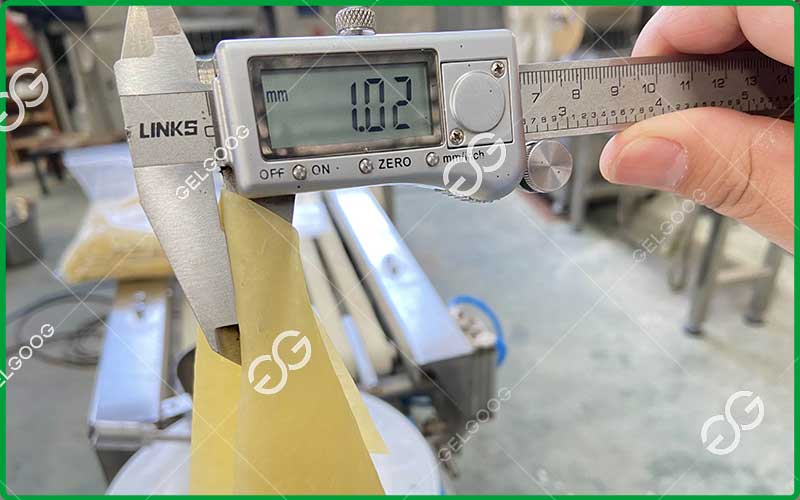
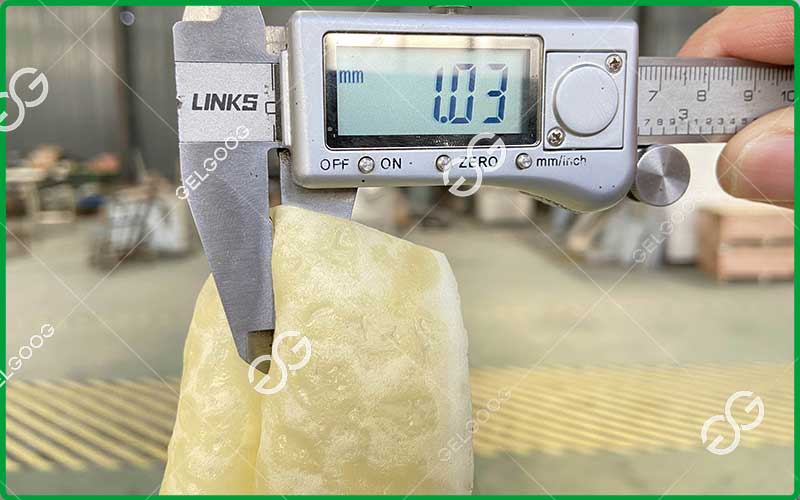
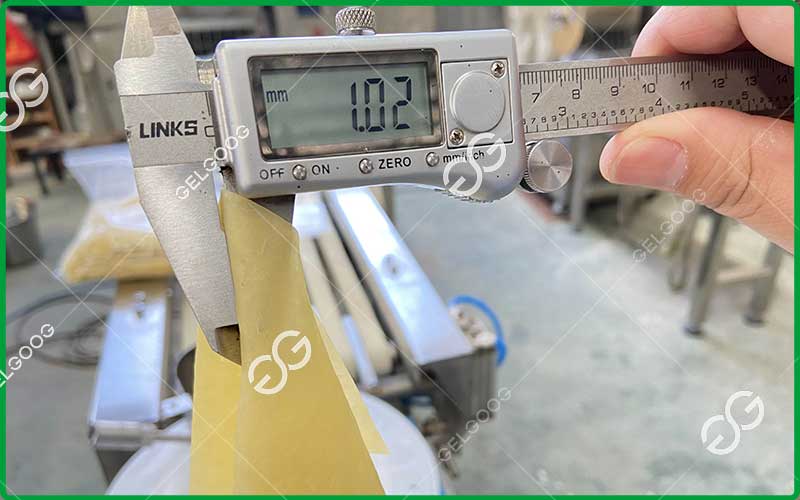
Uniform thickness is essential for products that require consistent filling, folding, cooking, or packaging. Sheets that are too thin may tear easily, while excessive thickness can affect flexibility and the final eating experience.
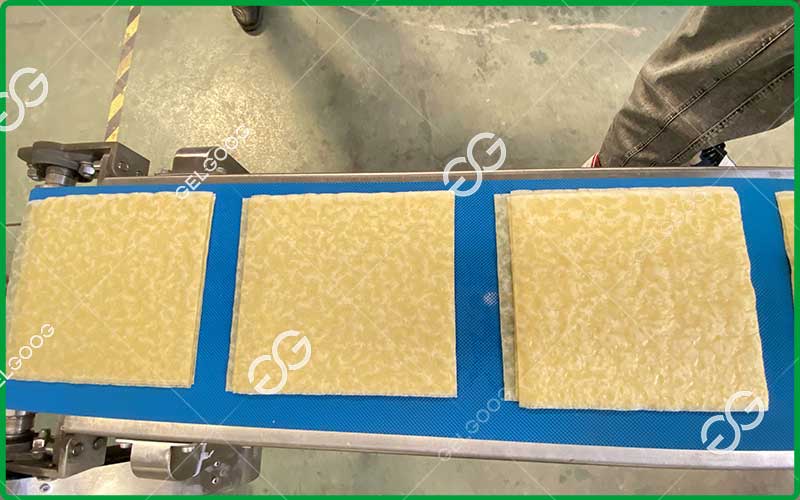
Manufacturers should establish clear specifications for sheet length, width, thickness, and acceptable variation. Regular sampling helps operators detect problems before they affect large quantities of product.
For factories seeking greater consistency, automated thin-sheet forming equipment may help standardize sheet formation and production flow, depending on the selected configuration.
5. Cooling and Moisture Control
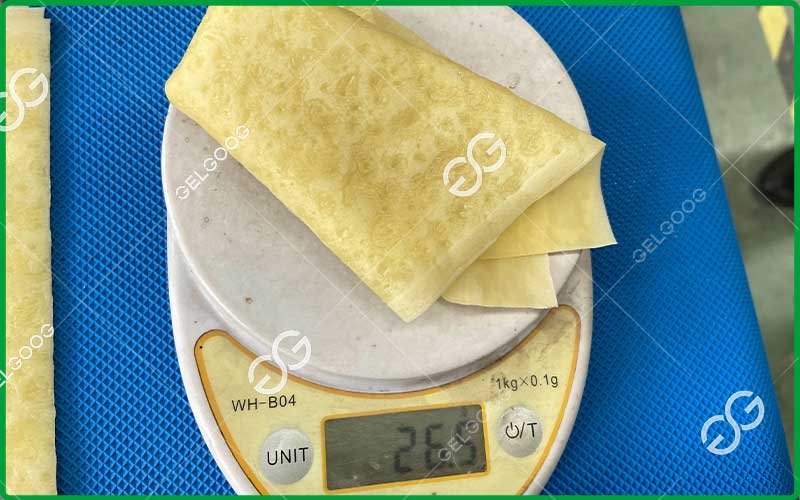
After heating, pastry sheets need suitable cooling conditions before stacking or packaging. Insufficient cooling can cause sheets to stick together, while excessive moisture loss may make them dry and brittle.
Cooling requirements depend on product thickness, formulation, processing speed, and ambient conditions.
Manufacturers should allow adequate cooling time, maintain hygienic transfer conditions, and check whether sheets can be separated without tearing. Consistent moisture management is particularly important for products intended for frozen storage or further processing.
6. Quality Inspection and Process Monitoring
A structured quality control process helps manufacturers identify defects and maintain consistent product specifications.
Important inspection points include:
-
Thickness: Check uniformity across each sheet.
-
Dimensions: Confirm that length and width meet specifications.
-
Surface appearance: Look for discoloration, holes, or uneven areas.
-
Flexibility: Check for cracking and tearing during handling.
-
Separation: Ensure sheets do not stick together excessively.
Production records can help identify patterns between ingredient changes, heating conditions, and finished product quality. When defects occur, operators should investigate the likely cause before changing multiple process parameters.
7. Improving Production Consistency
As production volumes increase, maintaining uniform quality becomes more challenging. Standardized procedures, regular inspections, and stable processing conditions can help reduce variation.
Manufacturers should evaluate production targets, product dimensions, raw material characteristics, available factory space, and downstream packaging requirements when planning process improvements.
Automation may also help improve repeatability and reduce dependence on manual adjustments. However, the appropriate production configuration depends on the factory's specific requirements.
Conclusion
Thin pastry sheet quality depends on ingredient selection, batter consistency, heating conditions, thickness control, cooling, and regular inspection. By monitoring these factors and maintaining standardized procedures, food manufacturers can improve product consistency, reduce waste, and support more reliable commercial production.
Leave a Reply